The Process of Creation
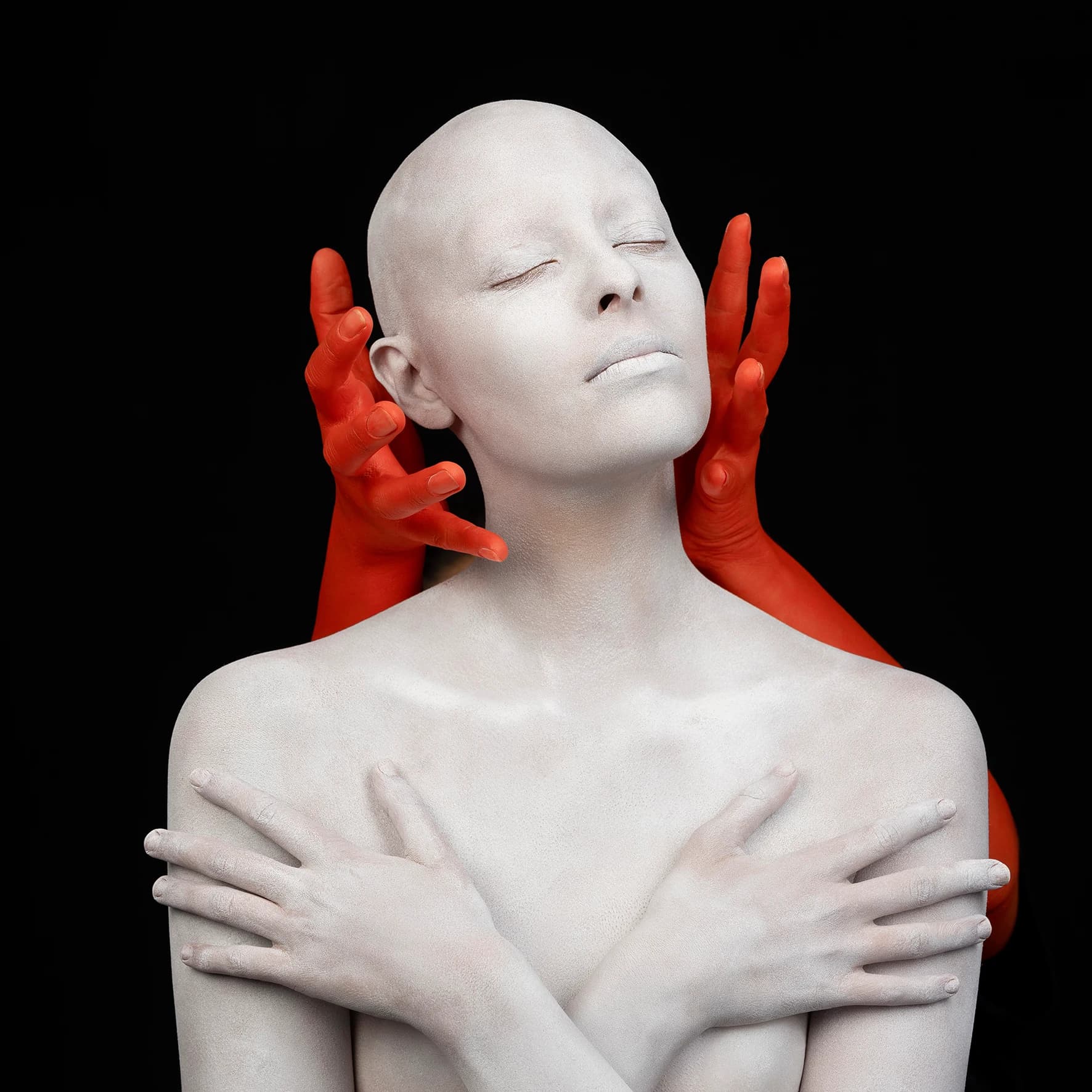
My portraits aim to capture the intricate dance between the challenge and beauty of emotional expression.
My work explores emotional portraiture, where photography becomes a form of painting with light and love.
Each portrait emerges from a long emotional journey between the subject and myself.
Before the camera is even present, we spend time speaking about their life, their memories, dreams, fears, and the moments that shaped them.
Through these conversations I begin to understand how certain emotions live within them, and how they may one day appear through their eyes and body.
This process can last weeks, months, and sometimes years.
During this time we create thousands of images across different emotional states. Music, storytelling, and guided imagination allow the subject to reconnect with experiences from different moments in their life. Gradually, the emotional language of the portrait begins to reveal itself.
Over time, both the subject and I experience an emotional journey of our own.
Each of us, sometimes together and sometimes alone, moves through a kind of emotional roller-coaster.
For the subject, there is the possibility of opening themselves, sharing deeply personal feelings while also facing the fear of exposure or vulnerability.
On my side, there is a constant need for sensitivity and guidance. I try to understand whether what I feel and perceive is true, and whether sharing my own emotional response might strengthen or disturb the fragile relationship that exists within the creative process.
At times, this emotional tension can slow the work or even stop it completely. The process may pause for weeks or months before it begins again. Sometimes it never returns at all.
Yet it is precisely within this fragile and uncertain space that the portrait slowly begins to take shape.
When the vision becomes clear, when I understand what emotion I want to capture and how it should appear, a new phase begins.
I start researching materials, color palettes, and visual elements. Accessories may be created, masks constructed, and the painting process carefully tested and practiced before the final shoot.
The shooting itself is brief. We usually have only six to eight hours. After this time the subject becomes physically and emotionally exhausted, and it becomes difficult for them to remain fully present within the emotional space we are trying to create.
Because of this, the time is carefully divided between preparation, painting, rehearsal, and photography.
The final session is also a collaborative moment. A team works together to build the visual and technical environment required for the image. Yet this introduces another challenge. During the early stages of the process, the subject and I often work alone, creating a very private emotional connection. In the studio, however, the space becomes filled with people who are new to the subject. Maintaining the same level of emotional openness becomes more difficult.
To create the right atmosphere, we begin every session with meditation. Music fills the studio through a special playlist I created for the project. Through guided imagination, I invite the subject to close their eyes and return to the emotional stories we explored together. Slowly they enter an inner world, a parallel space where those emotions can live again.
It is within this fragile moment that the portrait is born.
What the viewer ultimately encounters is a single image or a series.
Behind it exists a long journey of trust, imagination, and emotional discovery.